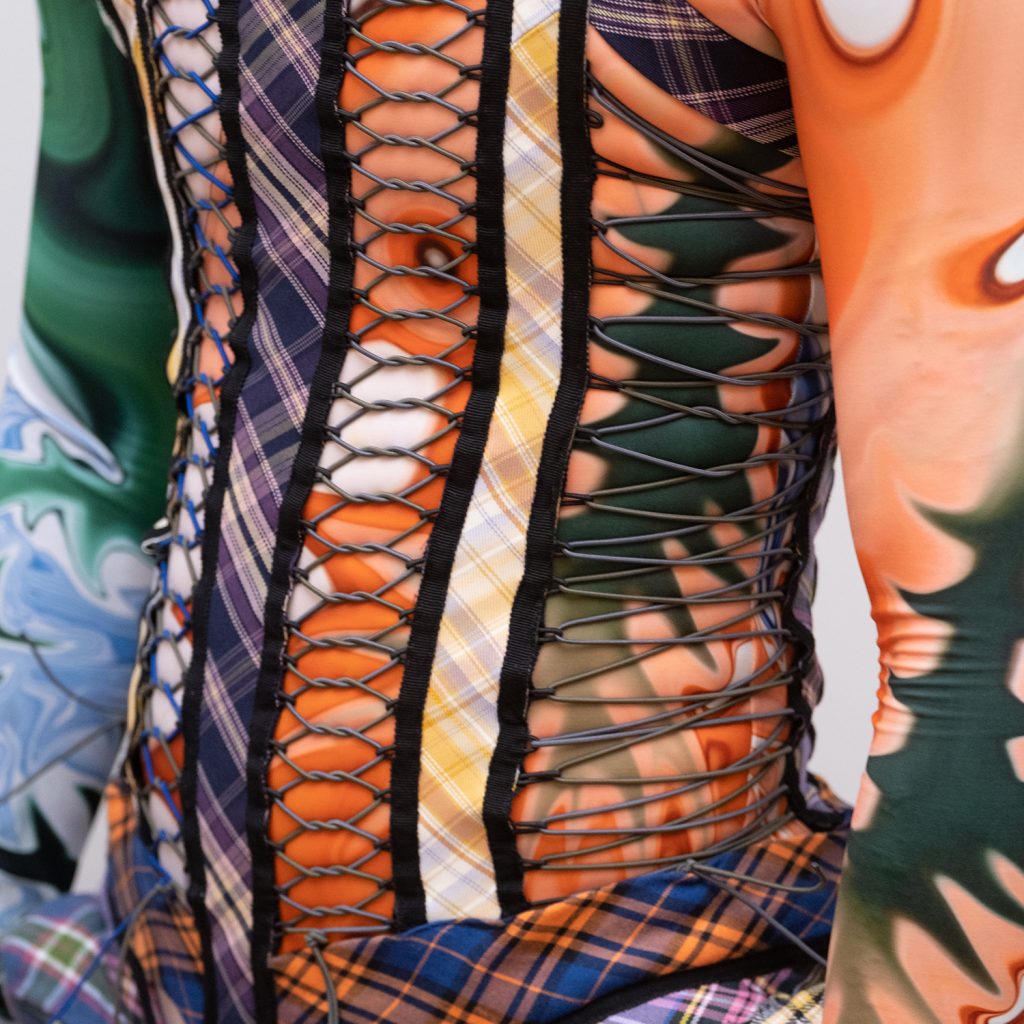
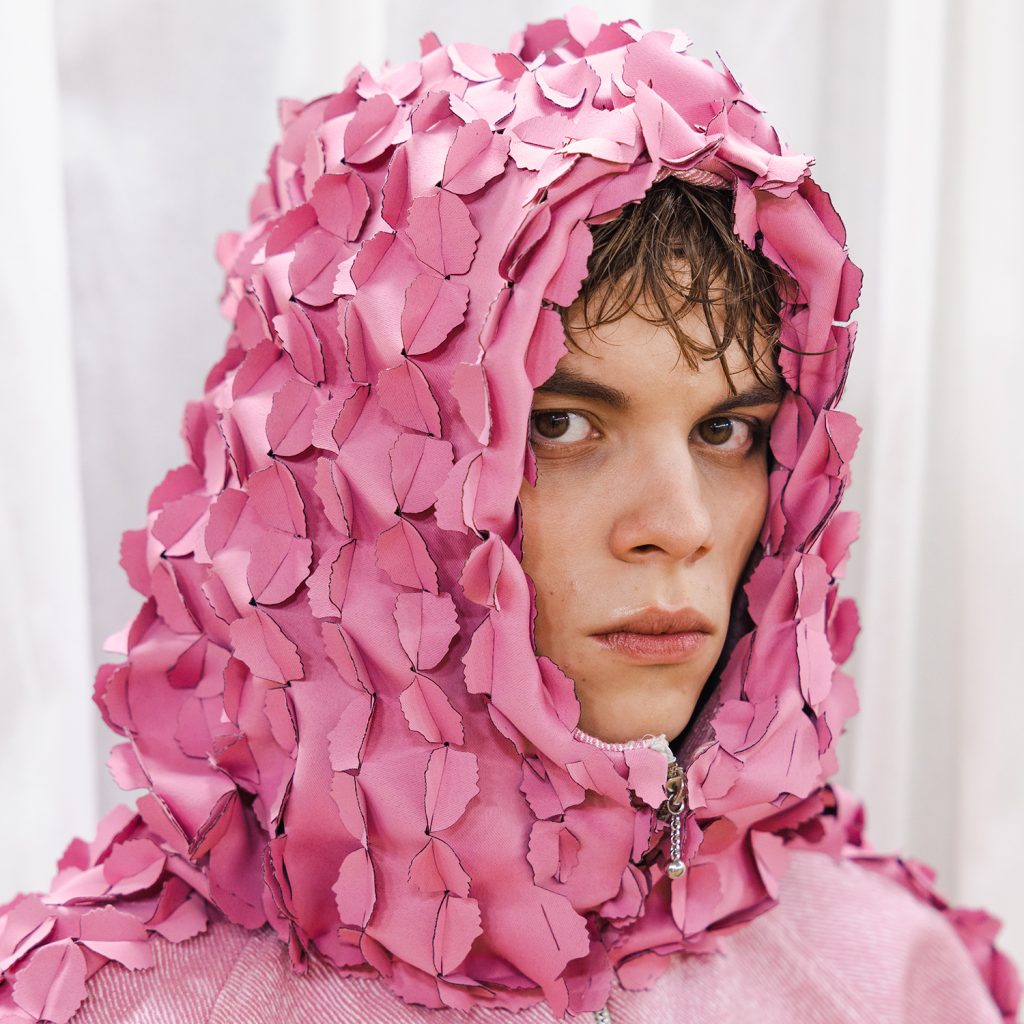
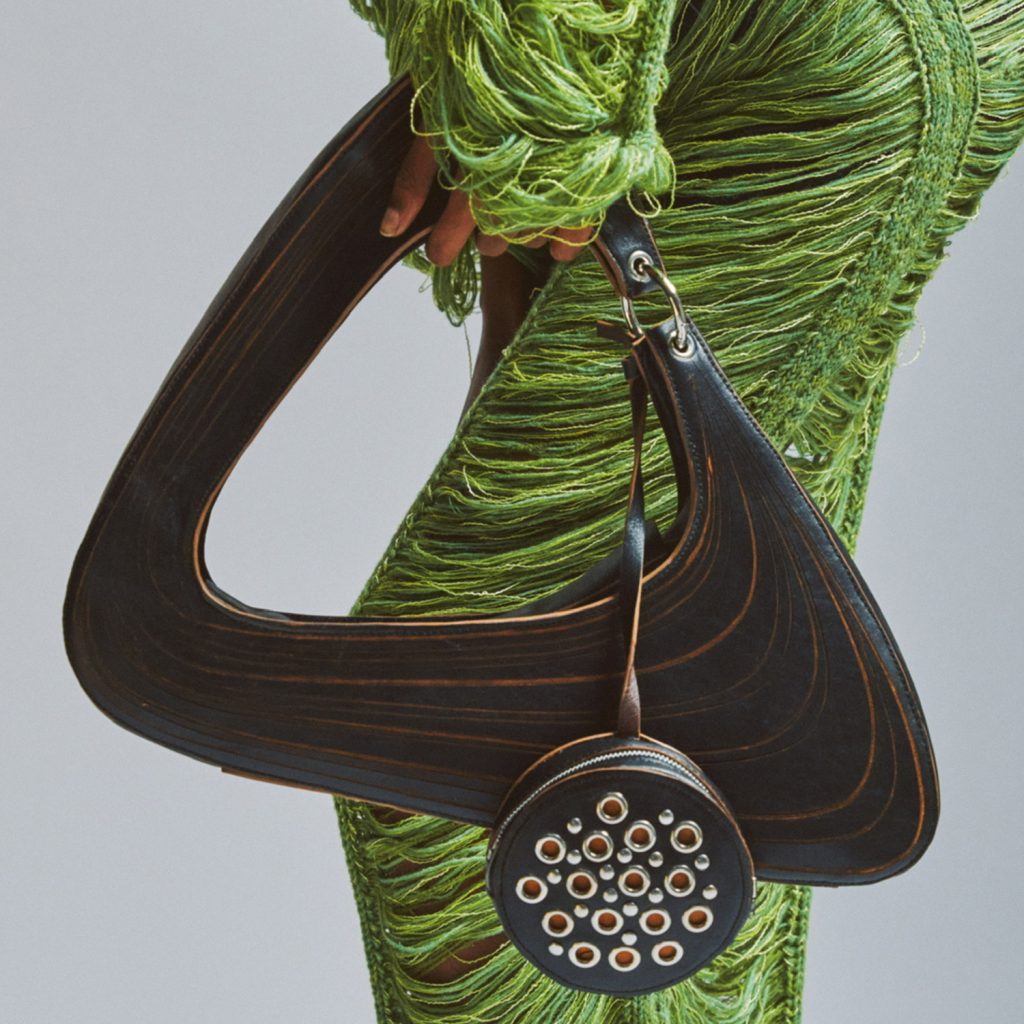
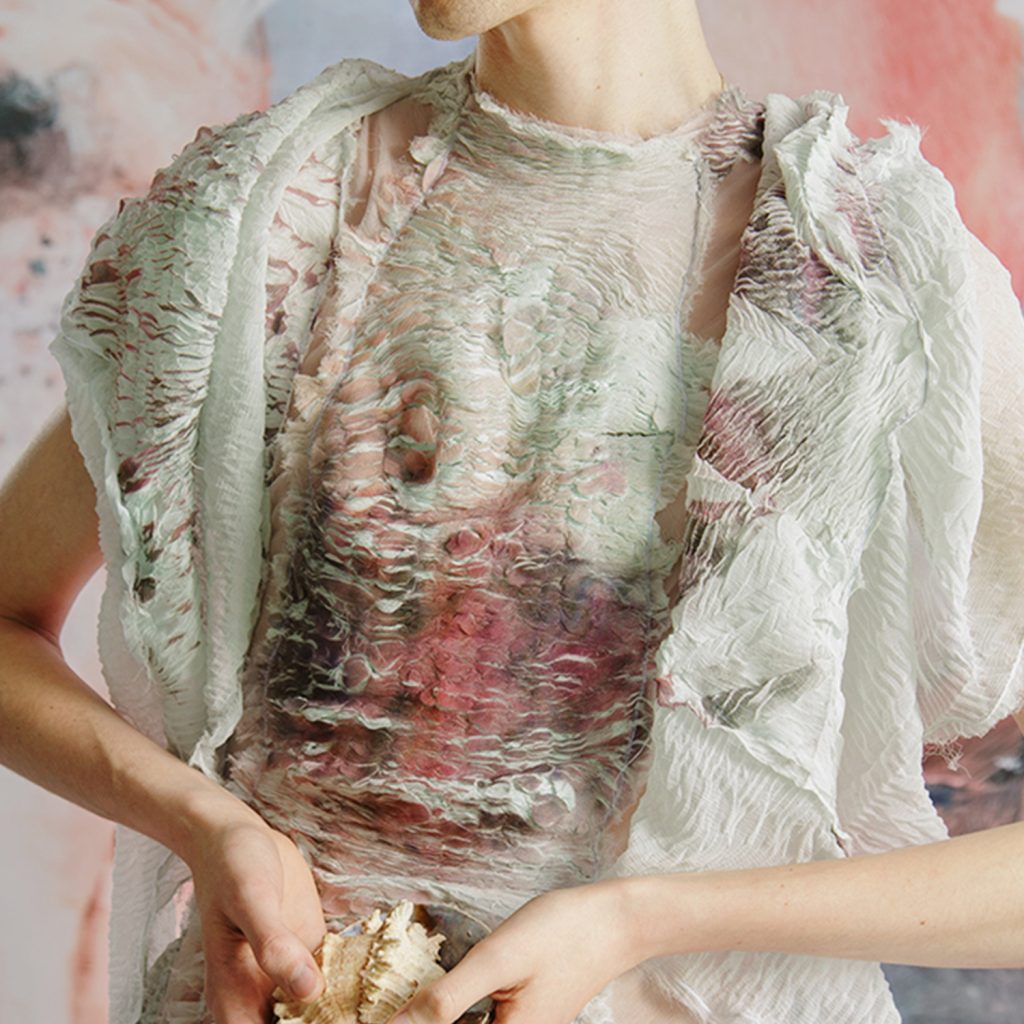
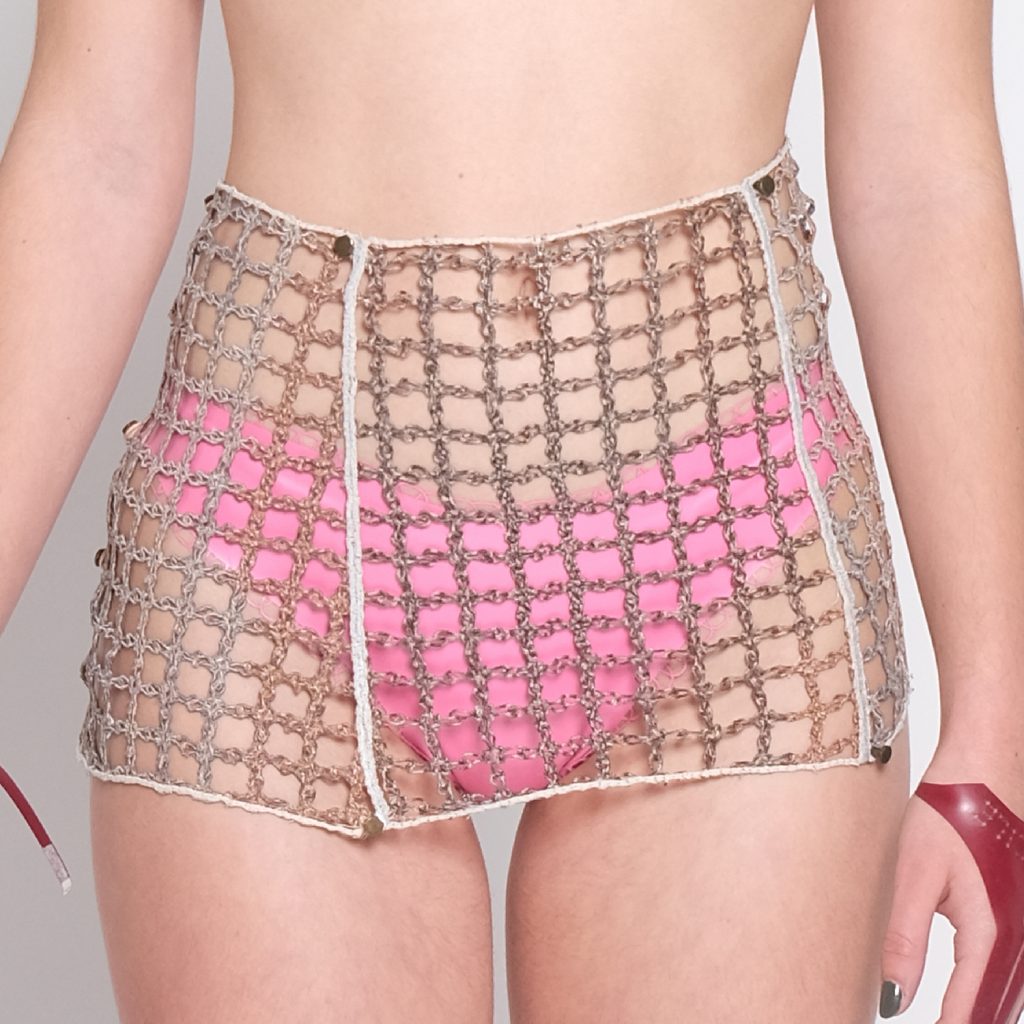
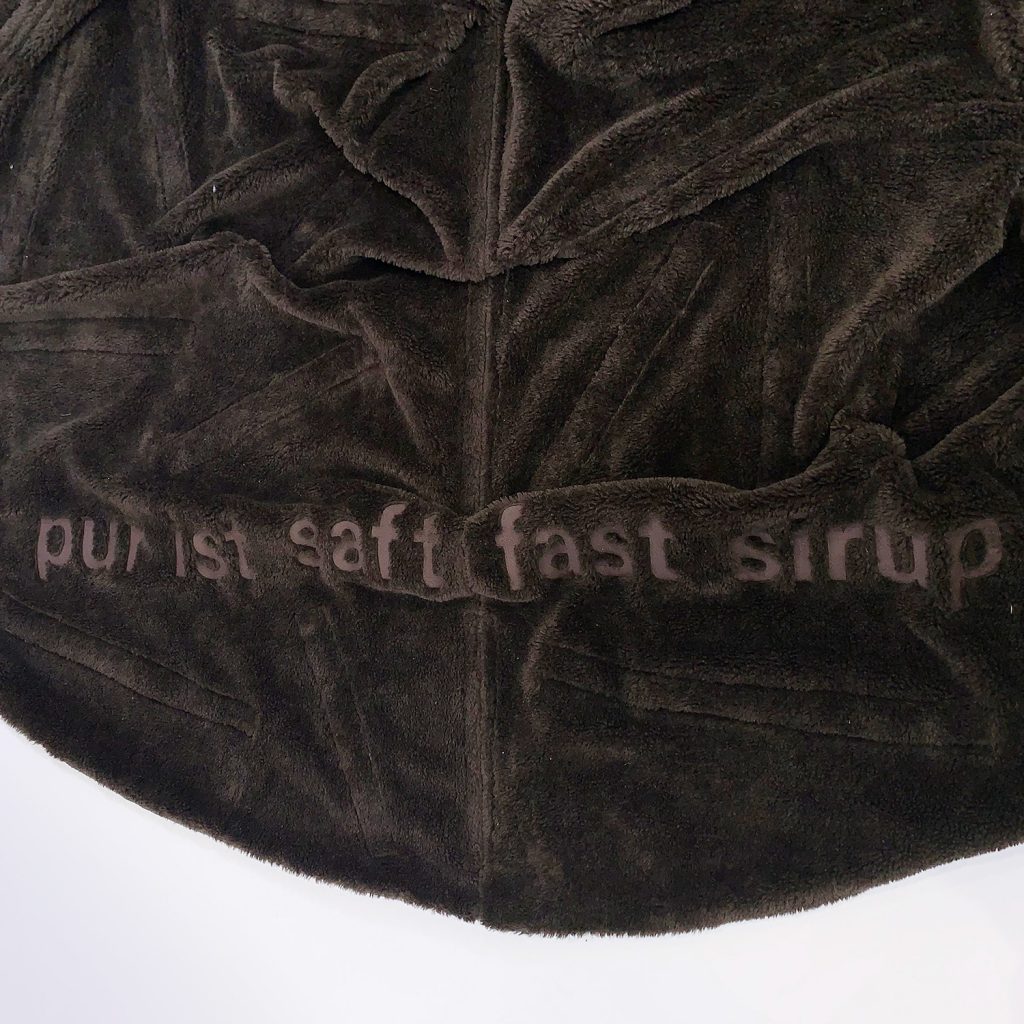
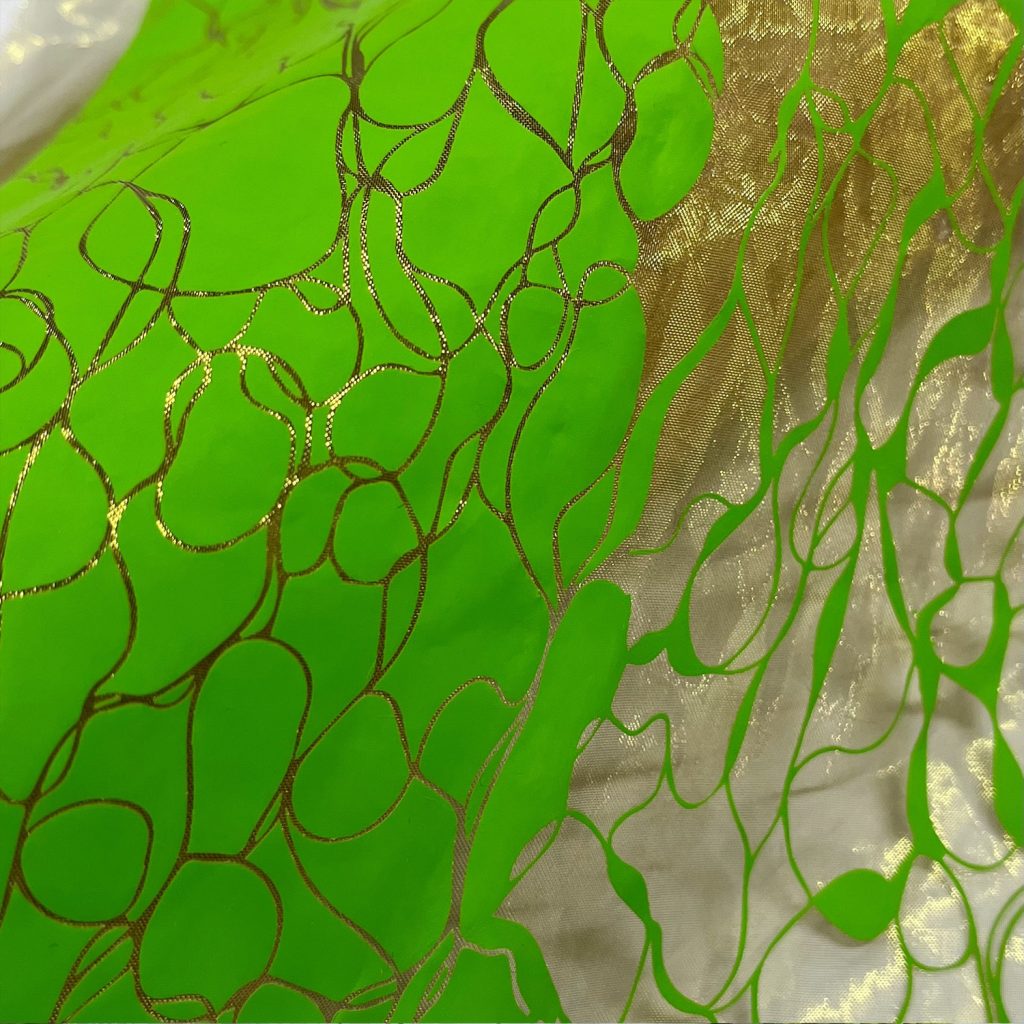
is a textile printing technique using heat transfer. The solid inks, first deposed on a specific paper, become colored gaseous under the effect of heat (sublimation) when put in contact with the fabric inside a heat-press. That process permits to dye the fibres in the mass. Only for light-coloured polyester textiles (at least 70%).
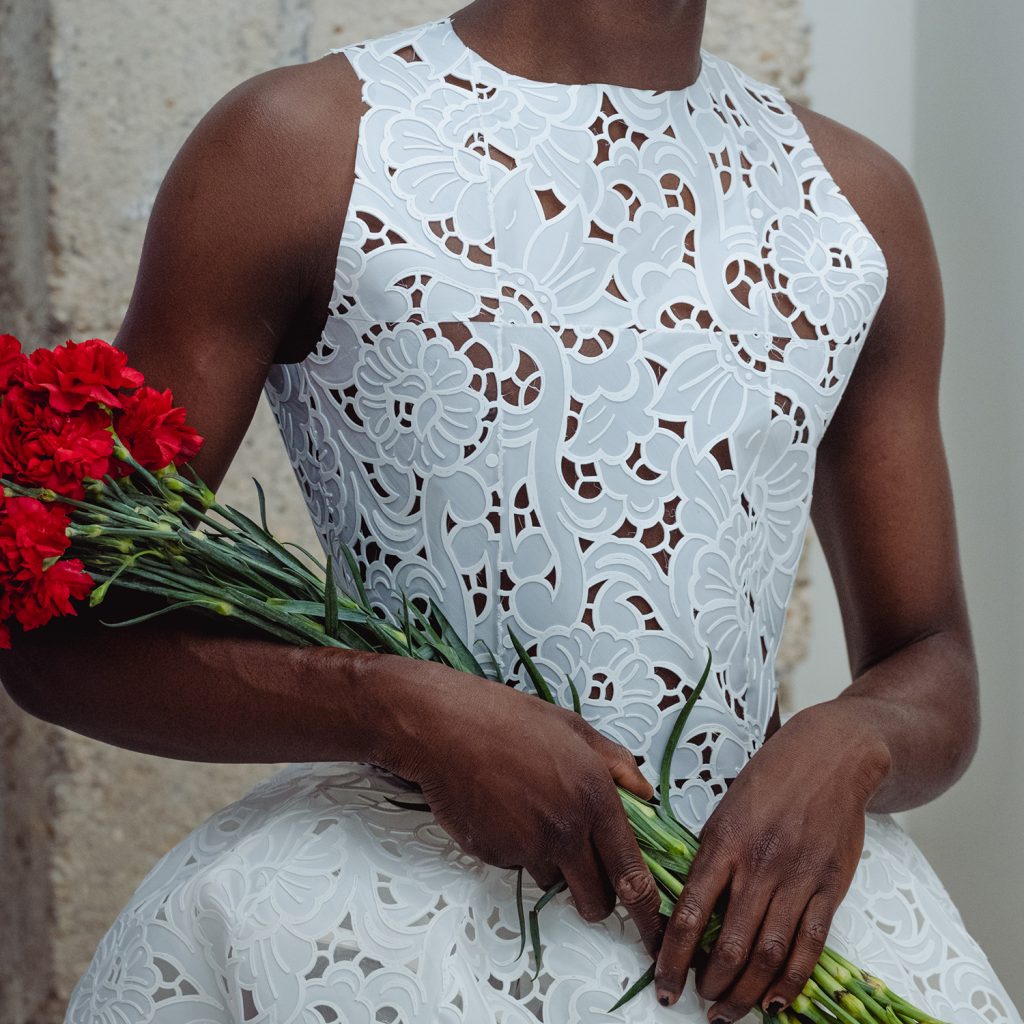
is a technique for transforming material by combustion using a laser beam. That technique allows to cut, mark or engrave many materials such as fabrics, natural wood, plexiglass, paper, cork, leather, etc.
is a direct inkjet printing technique that depose the inks on the surface fibres of fabrics (or specific films). DTG technique is only for natural textiles but DTF technique can be applied on synthetic textiles too. It is possible to print on black and dark fabrics thanks to the white ink.
enables to embroide a lot of different patterns (simple or complicated) at very high speed of 1200 stitches per minute. The machine can embroide multiple colors and add sequins and pierce eyelets to the drawings.
is a technique for printing objects in volume (3 dimensions) by depositing molten thermoplastic filament layer by layer. The materials used can be hard or soft, depending on the function and aesthetics. This 3D modeling technique is mostly used for shoes or big accessories.
is a technique for printing objects in volume (3 dimensions). Thanks to the combined action of the tray, which plunges into the resin, and the LED screen, which flashes the shape of each layer, the resin is cured layer by layer with a very high resolution to form the object. This 3D modeling technique is mostly used for jewellery or small accessory hardware.
is like a digital cutter. It allows to do full or half-flesh cuttings using different materials like foil, self-adhesive or iron-on vinyl. It also enables to work with other thin materials not permitted for laser cutting.



 FR
FR